Social skills are an essential part of a child’s development. These skills help children communicate, form friendships, and participate comfortably in school and community environments. Some children may need extra support to develop these abilities, especially if they experience developmental delays or communication challenges.
Children who struggle with social skills may find it difficult to start conversations, take turns in play, understand emotions, or respond appropriately in social situations. Therapy programs can help children practice these skills in a structured and supportive setting.
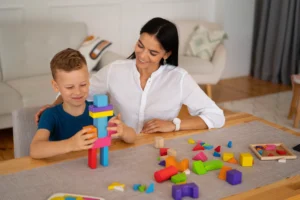
Activities used in therapy often include role-playing, guided play, and interactive games that encourage communication and cooperation. These experiences help children learn how to share, listen, and interact with others more effectively.
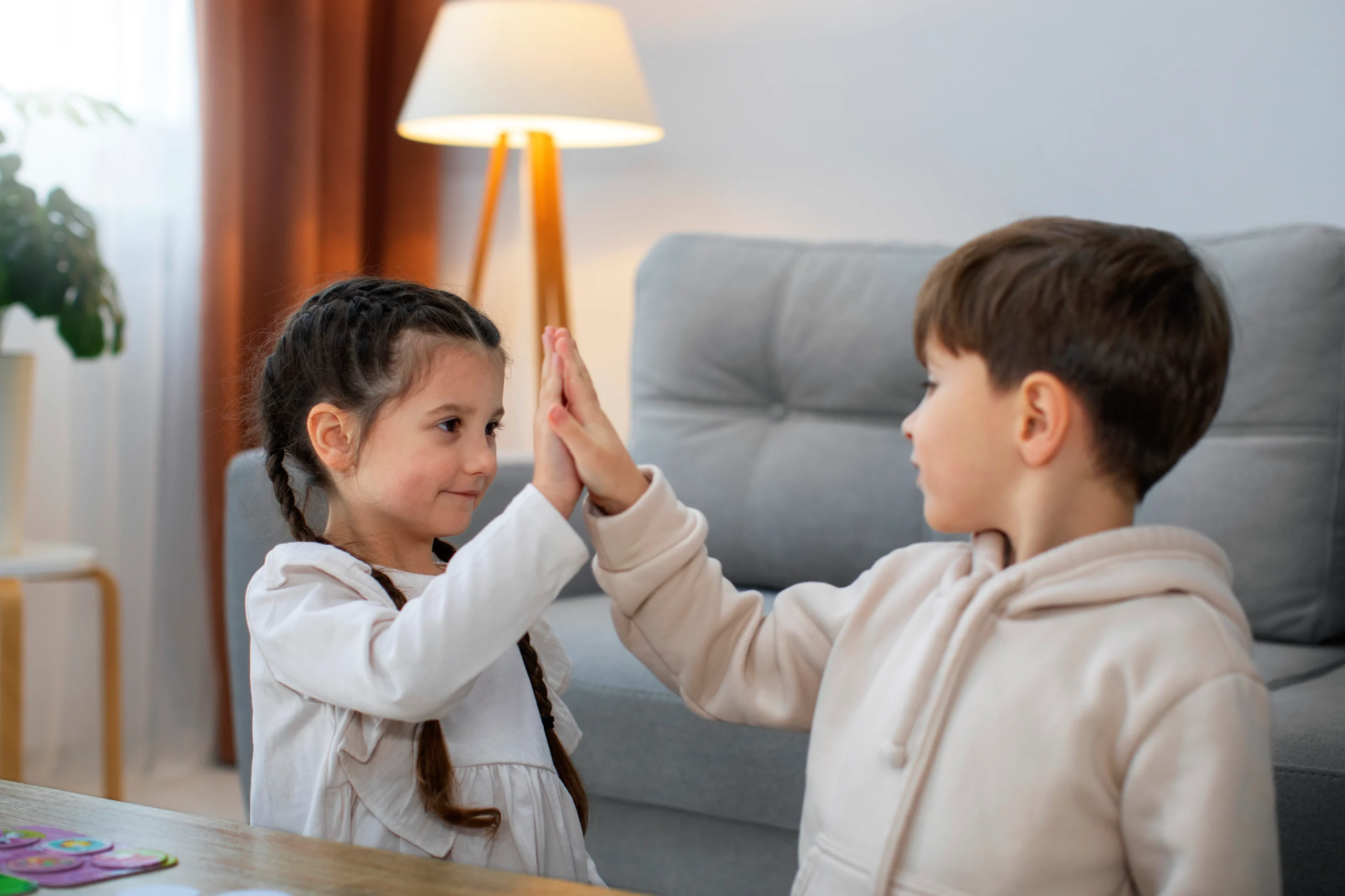
Parents can support social skill development by encouraging play with peers, modelling positive communication, and praising children when they demonstrate helpful social behaviours. With consistent guidance and practice, children can gradually build the confidence needed to interact successfully with others.